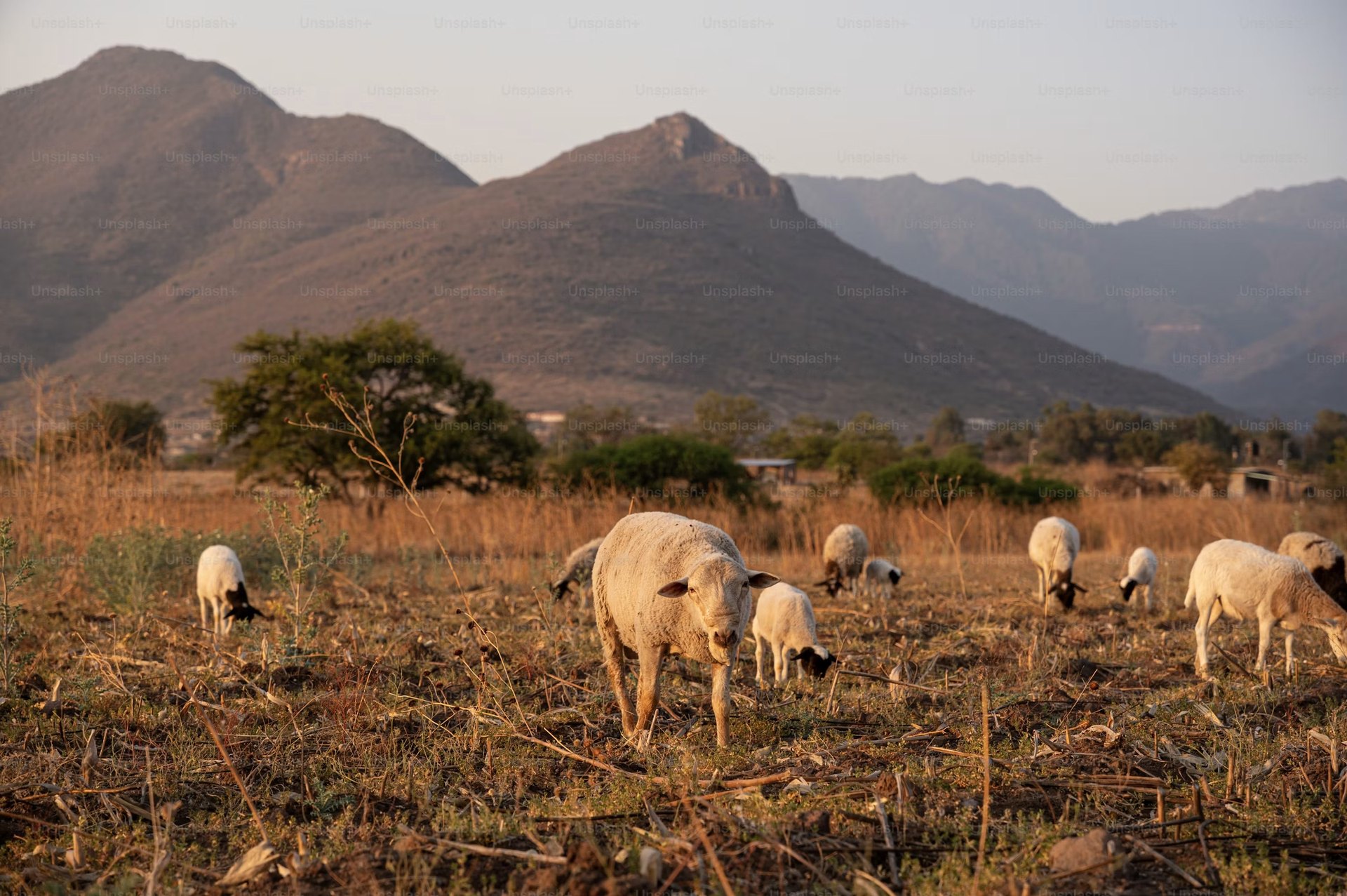
When we took over this land, the paddocks nearest the bomas were hammered bare while the far corners grew rank and untouched. The fix was not more land — it was more moves. Today the herd grazes a fresh strip every three days, and every paddock gets forty-five to sixty days of rest before the cattle return.
The results speak in the dry season. Rested grasses grow deep roots, hold moisture longer and bounce back after grazing. Our carrying capacity has risen by nearly a third without a single bag of fertiliser, and the cattle finish faster because they are always on young, leafy regrowth.
The system is simple: portable electric fencing, a grazing plan drawn on the office whiteboard every Sunday, and the discipline to move even when the old paddock “still looks fine.” If you farm in Laikipia and want to see it working, come for one of our field days — the grass tells the story better than we can.
Ask a hundred Kenyan ranchers to name one beef breed for this climate and ninety will say the Boran. Bred over centuries on the Borana plateau, it carries a loose hide, a calm eye and an unmatched ability to keep condition when the rains fail.
At East Impala we select for the traits that pay: cows that calve unassisted every year, bulls that put weight on grass alone, and temperaments that make mustering a pleasure rather than a rodeo. Every animal is weighed, recorded and inspected before it ever carries our name.
For buyers, the lesson is simple — a good Boran bull is not an expense, it is an inheritance. His daughters will still be raising calves in your herd fifteen years from now.
Kidding season is the heartbeat of the goat herds in our care. For eight weeks the paddocks near the homestead fill with new arrivals — often twins, sometimes triplets — and the team works in shifts through the cool Endana nights.
Our rules are few but firm: every kid gets colostrum within two hours, navels are dipped, and any doe that hesitates over her kid gets a quiet pen and a second chance. Losses under 4% are the reward for that discipline.
By weaning, the kids are browsing acacia alongside their dams — hardy, curious and already showing the frame that makes the Galla the pride of Kenya’s drylands.
Wool sheep were never going to work under the equatorial sun. The Dorper sheds its own coat, and the Red Maasai never grew one — between them they have made sheep the lowest-input enterprise on the farm.
They lamb on the open range, raise twins on grass alone, and walk to water and back without losing condition. When the long dry bites, the sheep simply keep going where other stock would falter.
For farmers starting out in semi-arid country, we say it plainly: begin with hair sheep. They forgive mistakes, and they pay school fees.
One of the questions we get most from smallholders is simple: how do you fit more animals onto shared land without wrecking it? The answer isn't more land — it's coordination. We bring herds together onto the same grazing rotation, moving as one managed group across Laikipia's shared rangeland.
Coordinated grazing means every paddock gets proper rest, water points are used efficiently, and no single herd overgrazes a patch while another sits untouched. It also means smallholders who could never afford to manage grazing alone get the benefit of a planned system.
It's a reminder that in peri-urban livestock management, the constraint is rarely land — it's organisation. Three acres of home base and a well-run grazing plan go further than most people expect.
Bringing your herd into a managed ecosystem starts long before the paperwork. We walk your animals with you, not just count them — a herd's health history tells us more about what it needs than a headcount ever could.
We'll ask for records: birth dates, vaccination history and any health issues you know of. Herds with good records are easier to manage well from day one, and we help you start keeping them properly if you don't have that yet.
Finally, we manage for your land and your goals, not a one-size-fits-all plan. A grazing system that works for one smallholder's animals may not suit another's. We'd rather get that right before we start than fix it after.